Applications · Graphite Anodes
Graphite Anode Shaping and Classification
Graphite-anode processing involves a balance between particle shape, fine-powder content and product yield. Spheronization and classification are evaluated together against your tap-density and particle-size targets. Tests on the actual natural or synthetic graphite feed help define the shaping stages, product cut and collection arrangement before production scale-up.
- Compare particle shape and tap density against the product specification.
- Use classification to control the fine fraction and target size range.
- Balance shaping intensity with product yield and wear.
Related Equipment
These routes are starting points. The final configuration depends on material data and trial results.
Particle Spheronizer
Rounds and shapes graphite particles, with the result verified against morphology and tap-density targets.
View equipment →Air Classifier
Controls the fine fraction and separates the required graphite product cut.
View equipment →Grinding & Classification Line
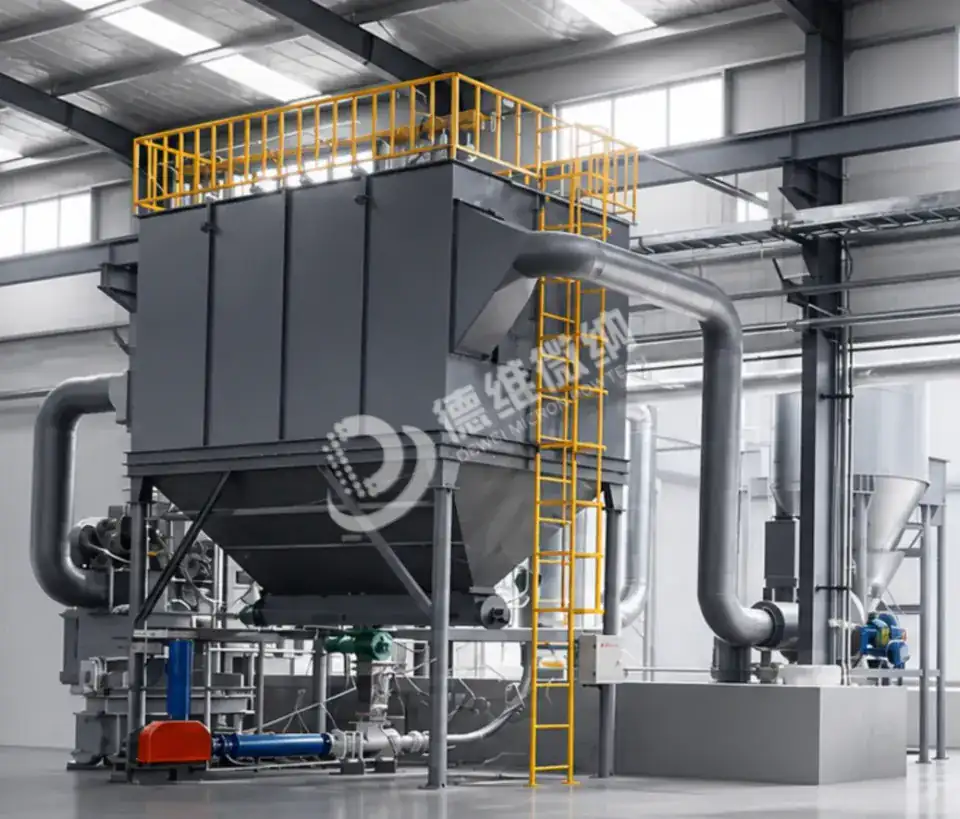
Connects the processing and collection stages around the target product and yield.
View equipment →Frequently Asked Questions
Can graphite shaping yield be quoted before a trial?
A reliable yield needs a defined feed and product specification. Natural or synthetic graphite, feed size, target shape and the selected product cut all influence the result.
Do natural and synthetic graphite use the same settings?
Their feed structures and wear behavior can differ, so shaping settings should be verified separately. Compare particle morphology, tap density, yield and contact-part wear in trials.
Can particle shape and yield both be maximized?
There is a tradeoff. More intensive shaping and tighter classification can change the recovered product fraction. Select the operating point using both the required particle properties and measured yield.
When does graphite processing require inert gas?
The need depends on the material's oxygen sensitivity, dust-hazard assessment and process requirements. Provide the SDS and any atmosphere limits before the protection configuration is selected.
 Scan with your phone to start a chat